
这是用来测试音频文件的。
博客
-
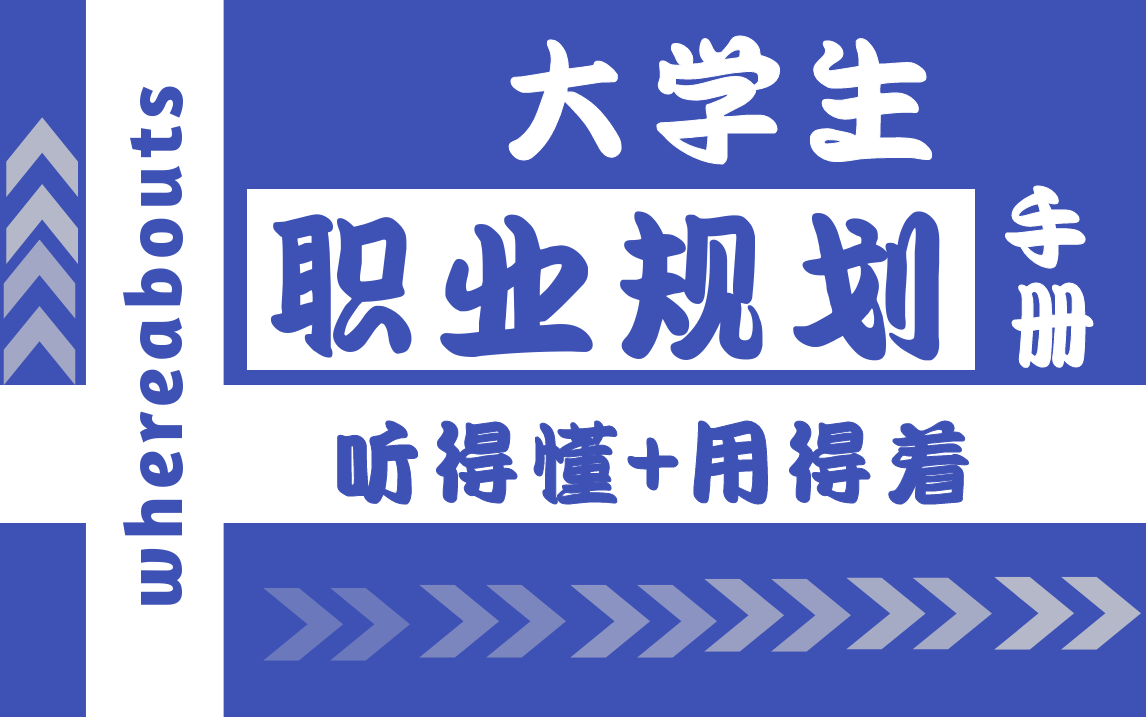
The Test for the Video Course
[b2player src=”https://zhuoluo.oss-cn-heyuan.aliyuncs.com/2023/10/开头完成版.mp4″ poster=”https://zhuoluo.oss-cn-heyuan.aliyuncs.com/2023/10/图怪兽_57d8ac25a648dbb50b9de0709785a852_83848.png”]
The texts of the video content.
aaa
aaa
aaa
-
课程视频内容测试
[b2player src=”https://zhuoluo.oss-cn-heyuan.aliyuncs.com/2023/10/开头完成版.mp4″ poster=”https://zhuoluo.oss-cn-heyuan.aliyuncs.com/2023/10/图怪兽_57d8ac25a648dbb50b9de0709785a852_83848.png”]
各位同学一定被问过这样一个问题:“你长大了想做什么?”,家长之间肯定也经常谈起“你是做什么工作的?”这类话题。我们的大学生职业规划手册,也从这个老生常谈的话题切入。
我们从事(或未来从事)的工作决定了我们自己以及他人看待我们的方式,工作会反应我们的力量和快乐。当选择了一个工作后,它就占据了我们生活大部分的时间,决定了我们生活的质量。在《劳动法》允许的前提下一个人每个工作日要工作8小时,每周要工作40个小时,每年要工作2000个小时,如果一个人22岁大学毕业开始工作直到65岁退休,那么一生就要工作86000个小时。真实情况往往只会比这些时长还要大很多,以上的时长都有个限定词叫至少。
工作会直接影响我们在哪里生活,我们有什么样的朋友,有怎样的机遇。我们的职业成为身份的一部分,它或好或坏、或多或少地揭示着我们存在的样子。
所以,选择一份适合自己的工作就显得尤为重要。古人云:女怕嫁错郎、男怕入错行。对今人而言就是男女都怕入错行。
那么,问题就来了。有没有科学的方法帮助我们找到适合自己的工作呢?经过这么多年无数社会科学从业者的研究和实验,最终形成了有科学依据的系统的理论和工具帮助我们选择适合自己的工作。运用这些理论和工具帮助自己或者他人找到一份适合的工作就是通常所说的职业规划。现阶段主流的职业规划系统认为个人在选择一份工作的时候应该经过这样4个可循环的过程:认识自己、了解职业、匹配人职、动态调整。
职业规划是一个贯穿个人终生的课题,每个人都应该有关注自己职业发展与规划的意识。大学阶段刚好是一个人培养职业规划意识并付诸实践的好时段。对在校大学生来说完全就是零成本地去把选择一份工作的四个过程都经历一遍。经历完这样一个完整的过程,不光可以帮助自己选择一条毕业后适合的职业道路,更是为自己将来进行职业调整积累了实战经验。
大一到大四,每年刚好可以对应一个过程去进行实操。这是最理想的不紧不慢、自然而然的一种安排。如果是你的时间已经不允许这样悠哉游哉了,那么就根据自己剩下的时间进行安排。因为每个过程都没有固定的时长需求,关键在于经历这样一个过程并完成其中的任务。
这份《大学生职业规划手册》将按照认识自己、了解工作、匹配人职、动态调整这个顺序展开。设定的最理想实操背景是大一到大四,每学年各自对应一个职业规划课题。如果你第一次看到这个手册的时候已经不是大一学生了,也不要觉得它就没用了。手册里的实操方法适用于任何阶段,根据自己的实际情况选择具体过程的实操时长就行了。
《大学生职业规划手册》的内容框架如下:
过程一《认识自己》包含4个环节:探索自己的兴趣、评估自己的天赋、量化自己的性格、阐述自己的价格观。
过程二《了解工作》包含4个环节:笼统认识全部职业、挑选自己心仪的职业、从职场体验自己的心仪职业、确定自己的目标职业。
过程三《匹配人职》包含3个环节:检验目标职业与自己的匹配性、确定大学毕业后的职业路径、制定校招方案。
过程四《动态调整》包含1个环节:根据求职情况调整职业路径。本手册完整包括了个人选择职业的4大过程,每个过程又分为了一些具体的环节。当然了,目前呈现的只是一个暂定大纲,根据同学们的学习反馈,后续可能会有一些调整。
这份《大学生职业规划手册》以通俗和实用为第一要素,我尽量用最通俗的语言把职业规划的专业术语阐释清楚,让每个人都听得懂。让同学们听得懂只是初级目标,终极目标是让同学们用得上手册给自己进行职业规划。在大学阶段“用得上“的直观体现就是可以帮助同学们完成学校的职业规划作业以及为校招做好充分的准备。
-

President Xi Jinping Announced China’s Eight Actions to Support High-Quality Belt and Road Initiative
On October 18, the opening ceremony of the 3rd Belt and Road Forum for International Cooperation was held at the Great Hall of the People in Beijing. President Xi Jinping delivered a keynote speech at the opening ceremony, reviewed the achievements of the Belt and Road Initiative in the past 10 years, summarized valuable experience, and announced China’s eight actions to support high-quality Belt and Road Initiative, which aroused strong repercussions at home and abroad.
Action 1: Build a three-dimensional interconnection network of the “Belt and Road”.
China will accelerate the high-quality development of China-Europe express trains, participate in the construction of the trans-Caspian international transport corridor, hold the China-Europe Express International Cooperation Forum, and work with all parties to build a new logistics channel in Eurasia supported by direct rail and road transportation. Actively promote the integrated development of port and shipping and trade of the “Silk Road Shipping”, and accelerate the construction of new land-sea channels and air Silk Road.Action 2: Support the building of an open world economy.
China will create a “Silk Road E-commerce” cooperation pilot zone and negotiate free trade agreements and investment protection agreements with more countries. Completely remove restrictions on foreign investment in the manufacturing sector. Take the initiative to promote high-level opening up of cross-border service trade and investment in accordance with international high-standard economic and trade rules, expand market access for digital products, and deepen reforms in state-owned enterprises, digital economy, intellectual property rights, government procurement and other fields. China will hold the “Global Digital Trade Expo” every year.Action 3: Carry out pragmatic cooperation.
China will make overall plans to promote landmark projects and “small but beautiful” livelihood projects. The China Development Bank and the Export-Import Bank of China will set up RMB financing windows, and the Silk Road Fund will add funds to support the joint construction of the “Belt and Road” projects in a market-oriented and commercial manner. China will also implement 1,000 small-scale livelihood assistance projects, promote Sino-foreign vocational education cooperation through Luban Workshops, and strengthen the safety and security of personnel for the joint construction of the “Belt and Road” projects and personnel with all parties.Action 4: Promote green development.
China will continue to deepen cooperation in green infrastructure, green energy, green transportation and other fields, increase support for the International Alliance for Green Development of the Belt and Road, continue to hold the Belt and Road Green Innovation Conference, and build a dialogue and exchange mechanism for the photovoltaic industry and a green and low-carbon expert network. Implement the Belt and Road Green Investment Principles and conduct 100,000 training sessions for Partner Countries by 2030.Action 5: Promote scientific and technological innovation.
China will continue to implement the Belt and Road Science and Technology Innovation Action Plan, hold the first Belt and Road Science and Technology Exchange Conference, expand the number of joint laboratories jointly built with all parties to 100 in the next five years, and support young scientists from all countries to work in China for a short time. China will put forward a global AI governance initiative at this forum, and is willing to strengthen exchanges and dialogues with other countries to jointly promote the healthy, orderly and safe development of global AI.Action 6: Support people-to-people exchanges.
China will hold the “Liangzhu Forum” to deepen the dialogue among civilizations with countries that jointly build the “Belt and Road”. On the basis of the Silk Road International Theatres, Art Festivals, Museums, Art Galleries and Library Alliance, the Silk Road Tourism Cities Alliance was established. Continue to implement the “Silk Road” Chinese Government Scholarship Program.Action 7: Building a clean road.
China will work with partners to release the Achievements and Prospects, the High-Level Principles for Integrity Construction along the Belt and Road, establish a integrity and compliance evaluation system for Belt and Road enterprises, and cooperate with international organizations to conduct research and training on integrity along the Belt and Road.Action 8: Improve the “Belt and Road” international cooperation mechanism.
China will work with BRI countries to strengthen the construction of multilateral cooperation platforms in the fields of energy, taxation, finance, green development, disaster reduction, anti-corruption, think tanks, media and culture. Continue to hold the Belt and Road Forum for International Cooperation and establish the secretariat of the Forum.===☆☆☆ Whereabouts Academy ☆☆☆===
References:
习近平在第三届“一带一路”国际合作高峰论坛开幕式上的主旨演讲(全文) – 中国一带一路网 (yidaiyilu.gov.cn)
-
习近平宣布中国支持高质量共建“一带一路”的八项行动
10月18日,国家主席习近平在第三届“一带一路”国际合作高峰论坛开幕式上发表主旨演讲。 演讲中习近平主席宣布了中国支持高质量共建“一带一路”的八项行动:
一、构建“一带一路”立体互联互通网络。
中方将加快推进中欧班列高质量发展,参与跨里海国际运输走廊建设,办好中欧班列国际合作论坛,会同各方搭建以铁路、公路直达运输为支撑的亚欧大陆物流新通道。积极推进“丝路海运”港航贸一体化发展,加快陆海新通道、空中丝绸之路建设。
二、支持建设开放型世界经济。
中方将创建“丝路电商”合作先行区,同更多国家商签自由贸易协定、投资保护协定。全面取消制造业领域外资准入限制措施。主动对照国际高标准经贸规则,深入推进跨境服务贸易和投资高水平开放,扩大数字产品等市场准入,深化国有企业、数字经济、知识产权、政府采购等领域改革。中方将每年举办“全球数字贸易博览会”。未来5年(2024-2028年),中国货物贸易、服务贸易进出口额有望累计超过32万亿美元、5万亿美元。
三、开展务实合作。
中方将统筹推进标志性工程和“小而美”民生项目。中国国家开发银行、中国进出口银行将各设立3500亿元人民币融资窗口,丝路基金新增资金800亿元人民币,以市场化、商业化方式支持共建“一带一路”项目。本届高峰论坛期间举行的企业家大会达成了972亿美元的项目合作协议。中方还将实施1000个小型民生援助项目,通过鲁班工坊等推进中外职业教育合作,并同各方加强对共建“一带一路”项目和人员安全保障。
四、促进绿色发展。
中方将持续深化绿色基建、绿色能源、绿色交通等领域合作,加大对“一带一路”绿色发展国际联盟的支持,继续举办“一带一路”绿色创新大会,建设光伏产业对话交流机制和绿色低碳专家网络。落实“一带一路”绿色投资原则,到2030年为伙伴国开展10万人次培训。
五、推动科技创新。
中方将继续实施“一带一路”科技创新行动计划,举办首届“一带一路”科技交流大会,未来5年把同各方共建的联合实验室扩大到100家,支持各国青年科学家来华短期工作。中方将在本届论坛上提出全球人工智能治理倡议,愿同各国加强交流和对话,共同促进全球人工智能健康有序安全发展。
六、支持民间交往。
中方将举办“良渚论坛”,深化同共建“一带一路”国家的文明对话。在已经成立丝绸之路国际剧院、艺术节、博物馆、美术馆、图书馆联盟的基础上,成立丝绸之路旅游城市联盟。继续实施“丝绸之路”中国政府奖学金项目。
七、建设廉洁之路。
中方将会同合作伙伴发布《“一带一路”廉洁建设成效与展望》,推出《“一带一路”廉洁建设高级原则》,建立“一带一路”企业廉洁合规评价体系,同国际组织合作开展“一带一路”廉洁研究和培训。
八、完善“一带一路”国际合作机制。
中方将同共建“一带一路”各国加强能源、税收、金融、绿色发展、减灾、反腐败、智库、媒体、文化等领域的多边合作平台建设。继续举办“一带一路”国际合作高峰论坛,并成立高峰论坛秘书处。
===☆☆☆ Whereabouts Academy ☆☆☆===
资讯来源:
习近平在第三届“一带一路”国际合作高峰论坛开幕式上的主旨演讲(全文) – 中国一带一路网 (yidaiyilu.gov.cn)