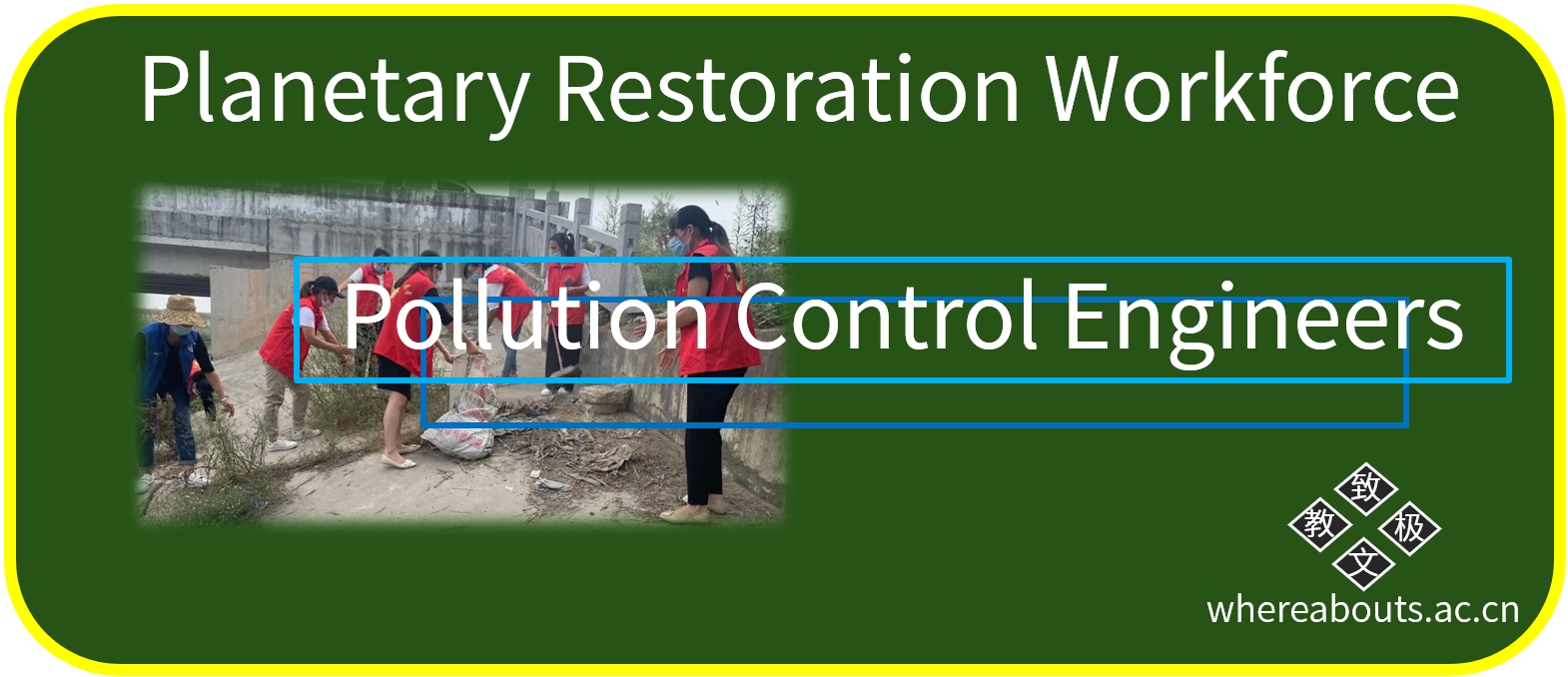
Article #2 on the Planetary Restoration Workforce
Pollution Control Engineers – Serving A Vital Role in Environmental Protection
In this series on Planetary Restoration Workforces, we explore the essential roles dedicated to restoring and preserving our environment.
“The future is uncertain… but this uncertainty is at the very heart of human creativity.”
~ Illya Prigogene
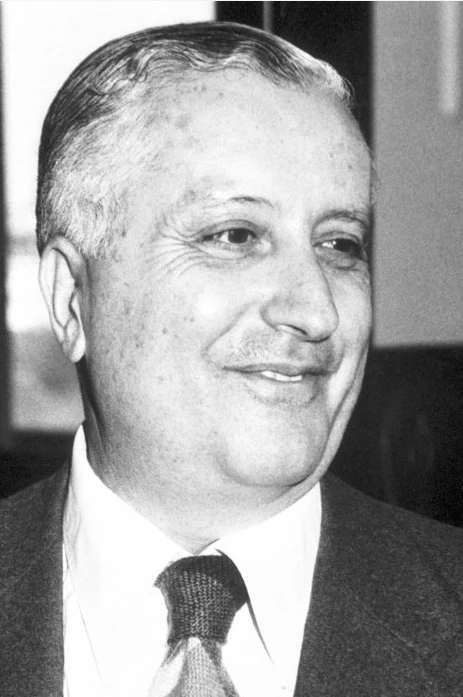
Let’s continue with the heroic planetary work of Pollution Control Engineers at the forefront of this mission, developing innovative systems to manage waste and reduce pollution! Their work is critical in mitigating the environmental impact of industrial activities, ensuring a sustainable future for both people and the planet. The engineers’ innovative roles in tackling ever-evolving environmental challenges is best expressed by one of my all-time favorite books by Illya Prigogine and Isabelle Stenger, two chemists who described to me, a sociologist, how science can directly contribute to solving pressing global issues, such as climate change, water scarcity, and air pollution.
Prigogine and Stenger’s book, Order Out of Chaos: Man’s New Dialogue with Nature (1984) developed the complexities of systems and how they evolve and adapt. It is not just a career in chemistry—it’s about shaping the future of the planet.
Imagine designing systems that prevent harmful chemicals from entering rivers or creating technologies that clean our air—Pollution Control Engineers are literally saving the planet. If you’re passionate about sustainability and love chemistry, this field puts you on the front lines of change.
Career Snapshot:
The field of Environmental Engineering, Industrial Chemistry Education Requirements: Bachelor’s to Master’s Degree in Environmental or Chemical Engineering
Key Tasks:
Designing waste management systems, mitigating industrial pollution
Hiring Level:
Steady, with high demand in manufacturing sectors Introduction As industries continue to grow and expand, so too does the importance of sustainability and environmental responsibility.
Pollution Control Engineers, a specialized branch of environmental and chemical engineering, play a crucial role in ensuring that industrial activities are environmentally sound. These professionals are at the forefront of designing, implementing, and maintaining systems that control pollution and manage waste, making them essential in today’s industrial and environmental landscape.
The Educational Pathway To become a Pollution Control Engineer, aspiring individuals typically pursue a bachelor’s degree in environmental engineering or chemical engineering. Some roles, particularly those involving advanced technologies or leadership, may require a Master’s degree. Coursework includes studies in environmental chemistry, industrial processes, waste management, and air and water pollution control. Training in regulatory compliance and sustainable engineering practices is also critical.
Key Responsibilities:
Pollution Control Engineers are tasked with designing and developing systems that reduce or eliminate pollutants from industrial processes. Their primary goal is to ensure that industries comply with environmental regulations, minimize harmful emissions, and manage waste efficiently.
Typical responsibilities include:
- Waste Management: Designing systems that handle and treat industrial waste safely, including solid, liquid, and hazardous wastes. This often involves working with chemical processes that neutralize harmful by-products before they are released into the environment.
- Air and Water Pollution Control: Developing technologies and systems to control emissions into the air and discharges into water bodies. Engineers in this field often work with filtration systems, scrubbers, and other control technologies to prevent pollutants from entering the atmosphere or water supply.
- Compliance with Regulations: Ensuring that industrial processes meet local, national, and international environmental standards. Pollution Control Engineers work closely with regulatory agencies to stay updated on changing regulations and to ensure that their designs comply with all necessary requirements.
- Mitigation of Environmental Impact: Assessing the environmental impact of various industrial activities and developing strategies to mitigate negative effects. This includes working on sustainable solutions to prevent long-term ecological damage.
Where Innovation Meets Tech Planet Saving Systems
From AI-powered pollution sensors to advanced filtration systems that can prevent ocean contamination, Pollution Control Engineers are at the forefront of environmental technology. If you love working with the latest tech and solving complex problems, this career could be your perfect match. What are the prospects for those trained in chemical sciences?
Career Outlook:
The demand for Pollution Control Engineers remains steady, with particularly high demand in manufacturing, energy production, and chemical industries. These sectors are under increasing pressure to reduce their environmental footprint and comply with stricter environmental regulations. As companies invest in cleaner technologies and more sustainable processes, Pollution Control Engineers are integral to these initiatives.
Industries Hiring Pollution Control Engineers Include:
- Manufacturing
- Chemical Processing
- Energy Production (including renewables)
- Waste Treatment Facilities
- Government Environmental Agencies Pollution Control
As industries around the world commit to greener practices, the demand for Pollution Control Engineers is skyrocketing. You could find yourself working for companies all over the globe, helping to build a more sustainable future.
Ready to dive in? Start by exploring internships with environmental agencies or companies focused on sustainability. Check out organizations like the Air & Waste Management Association for events and resources, or look into online courses on environmental engineering to see if this career is the right fit for you.
Summary
Pollution Control Engineers are essential for creating a balance between industrial growth and environmental protection. As industries face growing pressure to adopt sustainable practices, the role of these engineers becomes even more critical. By developing innovative systems for managing pollution, these professionals help to ensure a cleaner and healthier environment for future generations. Stay networked with this impressive field of Earth restoration by following and networking with the trade organizations in pollution toxins and waste management.
发表回复