作者: Dr. Mo丨孟百思

  • Planetary Restoration Workforce: #4 Planetary Health Specialist

    Planetary Restoration Workforce: #4 Planetary Health Specialist

    Safeguarding Human and Environmental Health

    By Elisabeth P. Montgomery, Ph.D., Global Career Development Facilitator

    President-Elect Asia Pacific Career Development Association

    Researching the lives and careers of Planetary Health Specialists took me to the cutting edge of a growing field that links human health and environmental sustainability. As ecosystems degrade due to climate change, pollution, deforestation, and biodiversity loss, these professionals work to understand how environmental changes directly affect public health. Here’s a powerful insight from Planetary Health: Protecting Nature to Protect Ourselves by Samuel Meyers and Howard Frumkin.

    It is not just climate change; it is everything change!”

    The transdisciplinary nature of Planetary Health Specialist work brings together the human skills we need to develop to solve planetary problems. They collaborate across disciplines to design policies and interventions that mitigate the health impacts of environmental degradation. This emerging career is essential as we increasingly realize that the well-being of people and the planet are intricately connected. Planetary Health Specialists play a crucial role in building a sustainable future that prioritizes both ecological integrity and human health.

    Introduction (Why It Matters): 

    The concept of planetary health highlights a fundamental truth: human health depends on the health of our planet. The air we breathe, the water we drink, the food we consume, and the climate we live in all come from our surrounding ecosystems. However, with only 200 years rapid industrialization, deforestation, pollution, and climate change, these systems are breaking down, leading to new and growing public health threats. Planetary Health Specialists focus on understanding how these environmental changes—such as rising temperatures, shrinking biodiversity, and pollution—are influencing health outcomes, from the spread of infectious diseases to chronic respiratory conditions. By identifying these linked system dynamics, Planetary Health Specialists drive policies and actions that protect both human health and environmental sustainability.

    Career Overview (What They Do):

    One of the main tasks of Planetary Health Specialists is to analyze the complex relationships between human well-being and ecosystem health, working in a multidisciplinary role that combines public health, environmental science, policy-making, and research. Their day-to-day activities often involve conducting research on how environmental changes—such as habitat destruction or pollution—are affecting disease patterns, nutrition, and mental health. They work with governments, NGOs, and international bodies to develop policies that address both environmental conservation and public health. These roles are generally in academia, biomedical companies, and higher level. However, the work is also on the ground with microbe research, endangered species, and habit preservation to prevent both human and animal health crisis.

    Career Outlook and Opportunities:

    Job Growth: The current demand and outlook for professionals in the field and the sectors is outstanding. Hirings include a wide range of jobs and tasks needed:

    • Microbial Bioenergy Engineer to transform the world’s industry and infrastructure and lead toward responsible consumption and production by re-modeling energy grids and storage systems that must be built to accommodate bioenergy sources.

    Planetary Health Program Coordinator overseeing projects that address environmental and health challenges, such as climate adaptation programs, sustainable Health agriculture, or clean water initiatives.

    Health and Environmental Policy Advocates work with governments, international agencies, and communities to draft, advocate, and implement policies that protect both human health and the environment.

    Environmental Health Educator teaches local populations how environmental degradation affects health and implementing solutions like proper waste disposal, water sanitation, and pollution control.

    Climate Resilience Specialist can be seen in with communities to develop resilience strategies against climate-related health risks like floods, droughts, or vector-borne diseases.

    Biodiversity and Conservation Officer implements conservation projects that protect biodiversity while considering the health benefits of ecosystems, such as cleaner air and water.

    Water, Sanitation, and Hygiene (WASH) Specialist leads initiatives that improve access to clean water and sanitation, essential for preventing waterborne diseases and improving public health.

    Agricultural and Nutrition Specialist – Promotes sustainable farming practices that protect the environment and improve community health by reducing malnutrition and food insecurity

    Community Health Worker with Environmental Focus provide on-the-ground health services while educating the community about environmental factors that influence health, like clean energy or deforestation.

    Salary Ranges: Include salary ranges for various roles within the career field, from entry-level positions to senior roles.

    For example, Planetary health specialists in micro- biology, such as geoscientists require a Master’s degree can make between 78,900 – 98,000 per year. Typically work in field studies and offices, visiting locations and collecting sample for surveys. They might use aerial and geologic maps photographs to analyze a region, experiment with rock samples, and make estimates of size and effect of samples in laboratory work and prepare reports for a variety of audience including colleagues and clients. Government health workers in sanitation and rescue systems can range from $58,000 to $65,000. Community rescue and health workers will receive between $49,000 – 54,000. Those “frontline” workers engaged directly with nature on all levels including park rangers, and habitat savers may earn $35,000 in the fieldwork, and up to $90,000 for administration and coordination of outstanding efforts in groups such as the World Wildlife Foundation.

    Bureau of Labor Statistics, U.S. Department of Labor, Occupational Outlook Handbook, Environmental Scientists and Specialists.

    Key Responsibilities:

    Planetary Health Specialists play a crucial role in planetary restoration by highlighting the connection between human health and environmental sustainability. By providing scientific evidence on how environmental degradation directly affects public health, they help shape policies that not only aim to restore ecosystems but also improve health outcomes for communities. Their work is fundamental to the broader environmental movement, as it ties ecosystem restoration efforts to tangible human benefits, such as reducing the spread of infectious diseases or improving food security.

    Example Project: A Planetary Health Specialist might work on assessing the impact of air pollution in urban areas on respiratory health. They would collaborate with epidemiologists, ecologists, and policymakers to reduce pollution levels and advocate for cleaner energy solutions. Another example could involve examining how deforestation in tropical regions contributes to the emergence of zoonotic diseases (diseases that spread from animals to humans) and developing strategies to mitigate these risks through forest conservation.

    Conducting risk assessments and planning interventions in response to ecological disruptions. Case studies in researching how environmental degradation impacts human health after man-made disasters such as oil spills, toxic railroad and hazardous waste spills, and many other disasters include planetary health specialist to collaborate with experts in public health, ecology, climate science, and policy. Developing and advocating for policies that promote environmental conservation and reduce health risks to the public after disasters includes educating the public and decision-makers on the interconnections between planetary health and human health.

    Impact on Planetary Restoration (How They Make a Difference):

    Planetary Health Equity (PHE) is the sustainable and equitable goal that promotes enjoyment of the environment and good health. PHE is a concept that recognizes the impact of climate change on social and health inequities. It also recognizes the importance for health equity of considering planetary systems – if we don’t have a functioning Earth system, we have social disruption and risks to human survival and good health. Planetary health inequity therefore embodies the common drivers of climate change and health inequity.  

    Case Study/Success Story: A significant success in the field of planetary health is the international collaboration to combat the health impacts of climate change. For example, the Lancet Countdown tracks the effects of climate change on health and works with governments worldwide to reduce carbon emissions while improving health outcomes.       In countries where air pollution is a major health issue, Planetary Health Specialists have been instrumental in pushing for stricter air quality regulations, which simultaneously protect public health and restore environmental quality.

    Planetary Health Specialists contribute to several United Nations Sustainable Development Goals (SDGs), including SDG 3 – Good Health and Well-Being and SDG 13 – Climate Action, reinforcing that addressing environmental degradation is vital to ensuring healthy lives and promoting well-being for all.

    Challenges and Future Outlook (What’s Ahead):

    Challenges: Interdisciplinary Complexity. One of the biggest challenges facing Planetary Health Specialists is the need for collaboration across diverse disciplines such as medicine, ecology, and environmental science. Bringing these fields together to develop cohesive solutions requires navigating different perspectives, priorities, and expertise.

    Policy Barriers: Policy-making at the intersection of health and the environment is often slow, and political barriers can prevent the implementation of necessary changes. Planetary Health Specialists must advocate for long-term strategies in a political climate that often favors short-term gains.

    Data Gaps: Understanding the full extent of how environmental degradation affects human health is still a growing field, and there are significant gaps in data, particularly in low-income regions where environmental damage and public health challenges are most acute.

    The climate-health link has been the target of more research in recent years and it is also receiving increasing attention from the public and in both public health and climate communication literature. However, the health framing of climate change information is still underused in climate communications, and researchers suggest we should be doing more to make the link between human health and climate change more explicit to increase engagement with the climate crisis.

    The health “framing” of climate communication also has implications for healthcare professionals and policy-makers, as these actors could play a key part in climate communication, adaptation and mitigation. These key stakeholders’ perspectives on the climate-health link, as well as their perceived role in climate adaptation and mitigation could be explored, since research suggests that health professionals are important voices in climate communications and especially since, ultimately, these adverse health outcomes puts enormous pressure on and cost to our health systems and health workers. Health effects of climate change: an overview of systematic reviews – PMC (nih.gov) https://www.ncbi.nlm.nih.gov/pmc/articles/PMC8191619/#R2

    Future Outlook: The role of Planetary Health Specialists will become increasingly important as climate change accelerates and environmental challenges like pollution, biodiversity loss, and water scarcity become more urgent. With growing recognition of the need for a sustainable, health-centered approach to environmental issues, this field is expected to expand. Future trends include the development of more sophisticated tools for tracking the health impacts of climate change, improving early warning systems for health threats related to environmental degradation, and stronger global collaborations on health and environmental policies.

    https://www.bls.gov/ooh/life-physical-and-social-science/environmental-scientists-and-specialists.htm

    Final Thoughts/Call to Action (Why It’s Important):

    Planetary Health Specialists are essential to the future of both human and environmental health. They bridge the gap between public health and environmental sustainability, working to ensure that future generations inherit a planet capable of supporting healthy lives. By addressing the root causes of environmental degradation and promoting holistic approaches to health and sustainability, they are contributing to a more resilient and healthier future.

    Call to Action:
    If you’re passionate about both human health and the environment, the career of a Planetary Health Specialist offers a unique opportunity to make a meaningful difference. As the field grows, there are increasing opportunities to get involved in research, policymaking, and advocacy. By studying environmental science, public health, or a related field, and gaining interdisciplinary experience, you can help safeguard both human health and the planet’s ecosystems. Explore internships, global health initiatives, and educational programs to start your journey toward becoming a Planetary Health Specialist.

    Recommended Reading:

    Samuel Meyers and Howard Frumkin (2021) Planetary Health – Protecting Nature to Protect Ourselves, Island Press.

    Bertil Lindmark (2021), The Amazing Biological Revolution and The Amazing New Health Care, LMC publishers. ISBN 10: 1914264053 / ISBN 13: 978191426405

    Trade Organizations: 

    Planetary Health Alliance

    Institute for Planetary Health (jhu.edu)

    World Wildlife Federation: Our Work | Conserving Natural Resources | WWF (www.worldwildlife.org)

    Lancet Countdown: Our Indicators – Lancet Countdown

    https://www.bls.gov/ooh/life-physical-and-social-science/environmental-scientists-and-specialists.htm

    Stay tuned for the upcoming article in our series on the Planetary Restoration Workforce: #5  Climate Resilience Specialist – Strengthening Communities and Ecosystems Against Climate Change.
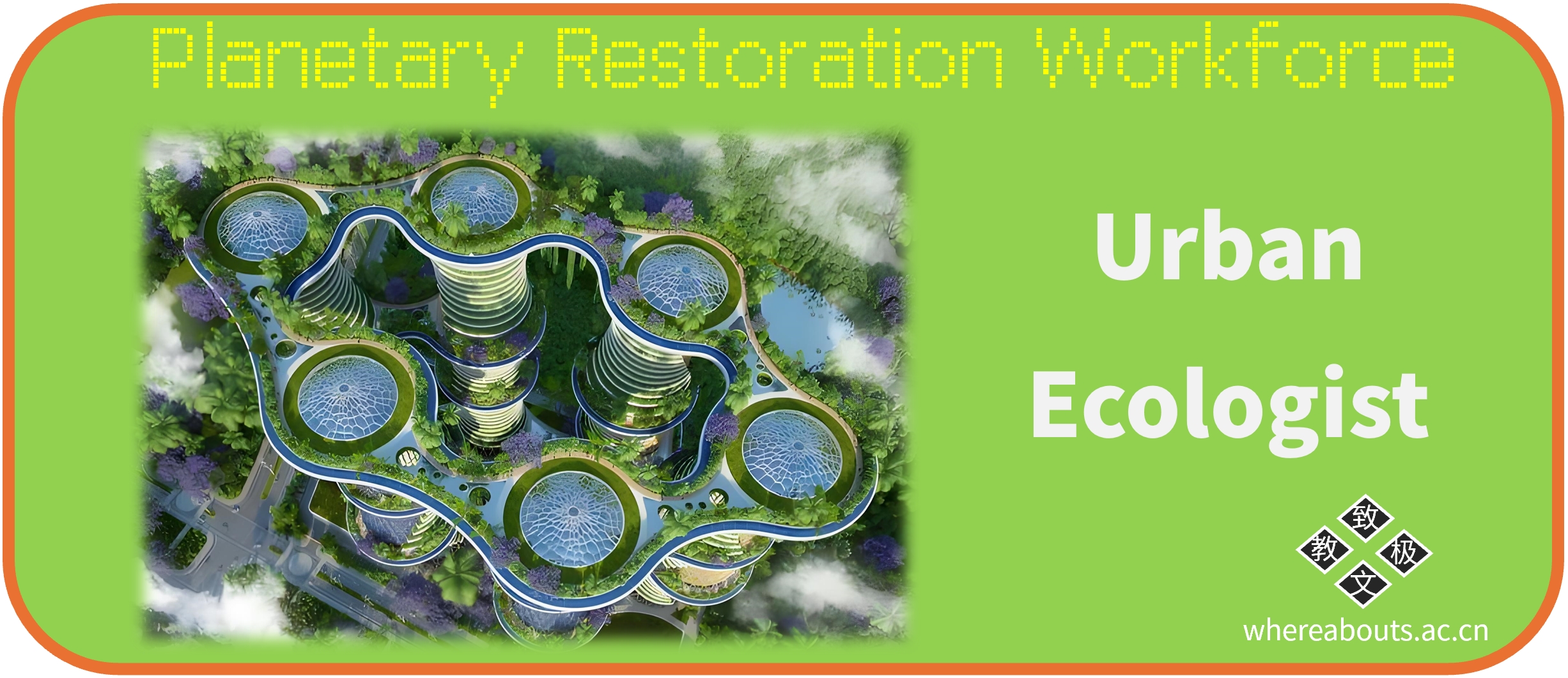
  • Planetary Restoration Workforce #3: Urban Ecologist

    Planetary Restoration Workforce #3: Urban Ecologist

    In this third article in the series on Planetary Restoration Workforces, we explore the essential roles dedicated to restoring and preserving our environment. As cities worldwide expand, the need for sustainable infrastructure and green spaces becomes increasingly vital. Enter the Urban Ecologist, a professional who blends urban planning with ecological principles to ensure that growing cities remain healthy, vibrant, and in harmony with the environment.

    Urban ecology studies ecosystems in urban areas, focusing on the relationship between living organisms and their built environment.

    “A city is not the problem. It’s the solution.”

    ~ Jaime Lerner

    In the 20th Century, activist Jane Jacobs advocated for inclusive city planning in New York City, where all residents are involved in shaping the urban environment to ensure sustainability​. She spent her life collaborating with the neighborhoods and communities to develop a center for design review for the city’s real estate developers. In 2005, urban ecologists founded The Center for the Living City to build on Ms. Jacobs’ work. The Center aims to expand the understanding of contemporary urban life and inspire civic engagement and creative responses for advancing social, economic, and environmental justice.

    When I first read the story about the former mayor of Curitiba, Brazil, Jaime Lerner, I immediately added him to my climate change hero list. He pioneered sustainable urban development and expanded on the idea that cities, often seen as hubs of pollution and congestion, can also be centers of innovation and sustainability through smart urban planning​. News from the 2016 Brazil Olympics had devastating reports about Rio de Janeiro’s polluted ocean fronts. Yet, Brazil had a magnificent prototype ecological city of Curitiba (pronounced Cur Chee Ba). Curitiba: the Greenest City on Earth (theecologist.org)

    Concurrently, Copenhagen is called the “Green Capital of the World” because it focuses on sustainable urban design and climate action. The Danes have set a goal to become carbon neutral by 2025. The city is investing heavily in renewable energy sources like wind and solar and energy-efficient buildings that incorporate green roofs and rainwater catchment systems​. See: TomorrowCity.

    Known as the “City in a Garden,” Singapore has transformed from a highly urbanized, concrete-heavy landscape to one of the greenest cities in the world. Since the 1960s, the government has prioritized integrating nature into the city through initiatives like Green Plan 2030. Singapore’s ambitious environmental strategy focuses on reducing carbon emissions, increasing urban green spaces, and promoting sustainable living. This plan encourages the construction of vertical gardens, green roofs, and nature reserves within the city. If you get the chance to visit, you will find the island nation also dedicated to botanical plant preservation, historical inclusion and diversity of its people, and genuinely stunning arts. (See euronews).

     Field Overview: Urban Planning and Ecology

    Urban ecologists work at the intersection of urban planning and ecology, focusing on integrating nature into city environments. With rising concerns about climate change and the health of metropolitan areas, these professionals are crucial to designing cities that function efficiently, promote biodiversity, improve air quality, and provide residents with access to green spaces. Other fields of study that can lead to a career as an Urban Ecologist include Geography, Sustainability Studies, and Landscape Architecture.

    Urban Ecologists play a transformative role in creating cities that are not only sustainable but also resilient, ensuring a better balance between human development and the natural environment. Their work directly supports urban planning harmonizing with environmental sustainability, promoting healthier ecosystems and communities, and inspiring hope for a greener future.

    Educational Path:

    Bachelor’s or Master’s in Urban Planning and Environmental Design

    To become an urban ecologist, a solid educational background is essential. Most professionals in this field have a Bachelor’s or Master’s degree in urban planning, Environmental Design, or a related field. These programs typically cover topics such as urban infrastructure, environmental sustainability, and the science behind ecosystems, preparing individuals to think critically about integrating natural elements into urban landscapes.

    Key Responsibilities:

    Urban ecologists are involved in various tasks influencing how cities grow and function. Their responsibilities typically include:

    • Creating Green Spaces: Designing parks, gardens, and other green areas within cities to provide residents and local wildlife with a natural environment.
    • Managing Urban Biodiversity: Ensuring that cities support biodiversity by developing ecosystems that allow plants, animals, and insects to thrive alongside human development.
    • Developing Sustainable Infrastructure: Collaborating with architects and city planners to incorporate eco-friendly materials and practices into urban development projects, reducing the environmental footprint of new buildings and roads.

    Urban Ecologist Salary Range:

    The salary range for urban ecologists varies depending on experience and location. For example, urban ecologists in major cities like New York or San Francisco may earn more than those in smaller cities due to higher demand and the cost of living. This range reflects the potential financial rewards of a career in urban ecology, making it an attractive option for those interested in sustainability and urban planning.

    Entry-level urban ecologists typically earn around $39,150 to $41,630 per year.               Mid-level professionals can expect salaries averaging $48,370 to $52,280 annually.    Senior-level urban ecologists with 10-20 years of experience can earn around $63,470 to $64,700. Top earners can earn over $82,680 per year in certain areas​.

    Growing Career Opportunities:

    As urban redevelopment projects increase worldwide, the demand for urban ecologists is rising! Many cities are investing in green infrastructure as part of their commitment to combating climate change and improving the quality of life for their residents. The urgency is particularly true in areas undergoing significant redevelopment, where sustainable design is a priority.

    What SDGs do Urban Ecologists address?

    • Primarily, they work on SDG 11: Sustainable Cities and Communities to make cities and human settlements inclusive, safe, resilient, and sustainable. Urban Ecologists focus on creating and maintaining green spaces, improving urban biodiversity, and designing sustainable infrastructure that promotes environmental health in cities. Their work on green infrastructure helps cities absorb carbon and reduce energy consumption.
    • SDG 6: Clean Water and Sanitation, which ensures the availability and sustainable management of water and sanitation for all, is an urban ecology work. Sustainable water management systems, such as green roofs, vertical gardens, rain gardens, and constructed wetlands that naturally filter water and prevent contamination in urban areas, help cities manage stormwater, reduce flooding, and protect water quality.
    • SDG 7: Affordable and Clean Energy to ensure access to affordable, reliable, sustainable, and modern energy for all. Through the implementation of green infrastructure and sustainable building designs, Urban Ecologists support energy-efficient urban environments that reduce reliance on fossil fuels, promote the use of renewable energy, and lower overall carbon footprints in cities.

    Critical Observations:

    The major challenge for urban ecologists is the need to plan and coordinate across multiple levels of government, industry, development, and landscape restoration strategies. Other major challenges include a lack of funding for governmental allocation for neighborhoods, City Redesign, Systems Monitoring, and Collective education.

    Urban ecologists redesign existing planting and UGS areas to comply with ecological shifts in water and pesticide uses.

    Urban green spaces (UGS) created many decades ago must shift strategies to reduce grass, which often requires harmful pesticides for maintenance, pollutes the environment, and uses an enormous amount of water. Governments must mitigate run-off water from polluted grass so it does not contaminate the local waterways. In some cities, such as Melbourne, pilot projects to reduce grass cover and increase perennial planting are already in motion, offering valuable lessons in water conservation and ecological resilience.

    Cities must use System Monitoring of city UGS, waterways, and transportation safety.

    Urban ecologists work alongside many groups to monitor the city, including systemic monitoring of green space use, waterway contamination, and public safety on all forms of transportation. Urban Ecologists increasingly use AI and IoT devices to monitor urban green spaces in real-time, allowing for quick responses to environmental changes. The digital monitoring and coordination allow reports for city alerts on drought, pests, disease, and rescue. For example, recently, city water monitoring across the globe can now predict levels of COVID-19 from waterway samples and, consequently, alert the public.

    Lack of funding and collective education for citizens will help mitigate urban pollution.

    Citizens must understand how to use less grass in landscape design, plant perennial pollinating plants instead of grass and concrete, and develop areas free of chemical pesticides for human, animal, and insect safety.

    Impact of Urban Ecologists

    Urban ecologists are transforming the way we think about safe city living. By creating sustainable urban environments, they contribute to the health and well-being of city dwellers, provide habitats for wildlife, and mitigate the effects of climate change. Their work beautifies urban landscapes and builds resilience against future environmental challenges. For example, in a recent longitudinal study using remote sensing devices, open green spaces show lower assault violence rates in tree-lined streets and parks in cities https://doi.org/10.1016/j.landurbplan.2024.

    Take Action

    If you’re passionate about the environment and interested in making cities greener, a career as an urban ecologist could be the perfect fit. With growing opportunities in this field, urban ecologists are at the forefront of designing the cities of tomorrow—cities where nature and human life coexist in balance. Students passionate about urban sustainability can explore internships at local environmental NGOs or participate in online courses like the Urban Ecology certification offered by the Ecological Society of America.

    Reading Suggestions:

    “How to Fight Desertification and Reverse Climate Change” by Allan Savory (TED) Allan Savory explores how urban and rural environments are interconnected, focusing on how desertification and poor land management practices impact urban ecosystems. His talk emphasizes the restoration of ecosystems through innovative land use techniques. WATCH: Great Ecology

    Nature’s Best Hope: A New Approach to Conservation That Starts in Your Yard by (2020) Douglas W. Tallamy. Timber Press. ISBN: 9781604699005.

    Tallamy is one of the most beloved conservationists in the USA. His highly regarded books are resources for local and personal scale climate activists. Tallamy presents a “homegrown solution” to biodiversity loss – encouraging homeowners to plant native species to bring back the pollinators and birds – and create conservation corridors. It emphasizes the power of individual actions in fostering ecological resilience.

    Trade Associations:

    Society for Urban Ecology About SURE – Society for Urban Ecology (society-urban-ecology.org). Journals & Articles – The Society for Urban Ecology (SURE) (society-urban-ecology.org)

    Urban Ecology Collaborative. Urban Ecology Collaborative A partnership of universities, non-profit organizations, and state, local and federal official. Monthly Webinars – Urban Ecology Collaborative.

    RESOURCES:

    Landscape and Urban Planning Volume 240, December 2023, 104877, Biodiversity in the city: key challenges for urban green space management. Myla FJ Aronson,  Christopher A Lepczyk,  Karl L Evans,  Mark A Goddard,  Susannah B Lerman,  J Scott MacIvor,  Charles H Nilon,  Timothy Vargo.  

    Next up in our series on the Planetary Restoration Workforce: Planetary Health Specialist

    Click to know more about Dr. Mo

  • Planetary Restoration Workforce Job #2: Pollution Control Engineers

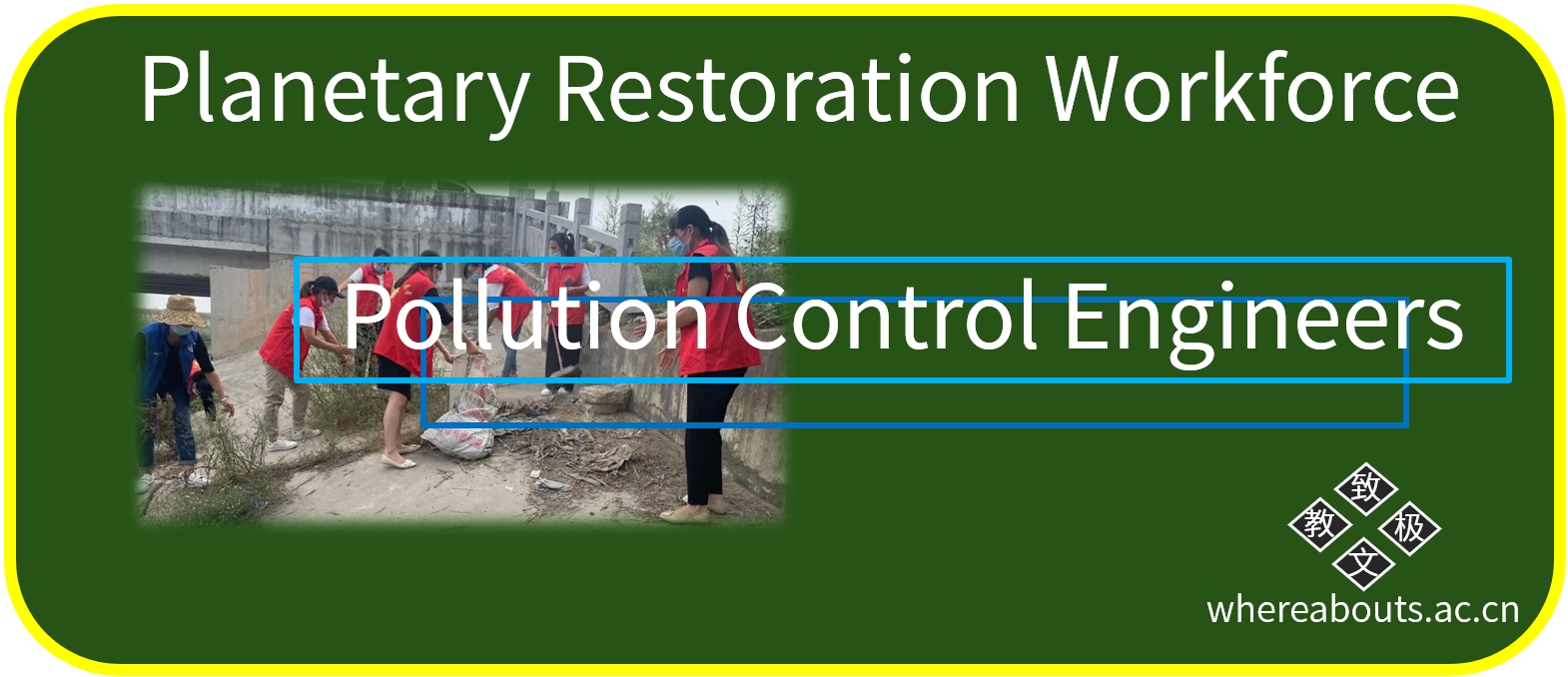
    Planetary Restoration Workforce Job #2: Pollution Control Engineers

    Article #2 on the Planetary Restoration Workforce
    Pollution Control Engineers – Serving A Vital Role in Environmental Protection

    In this series on Planetary Restoration Workforces, we explore the essential roles dedicated to restoring and preserving our environment.

    “The future is uncertain… but this uncertainty is at the very heart of human creativity.”
    ~ Illya Prigogene

    Let’s continue with the heroic planetary work of Pollution Control Engineers at the forefront of this mission, developing innovative systems to manage waste and reduce pollution! Their work is critical in mitigating the environmental impact of industrial activities, ensuring a sustainable future for both people and the planet. The engineers’ innovative roles in tackling ever-evolving environmental challenges is best expressed by one of my all-time favorite books by Illya Prigogine and Isabelle Stenger, two chemists who described to me, a sociologist, how science can directly contribute to solving pressing global issues, such as climate change, water scarcity, and air pollution.

    Prigogine and Stenger’s book, Order Out of Chaos: Man’s New Dialogue with Nature (1984) developed the complexities of systems and how they evolve and adapt. It is not just a career in chemistry—it’s about shaping the future of the planet.

    Imagine designing systems that prevent harmful chemicals from entering rivers or creating technologies that clean our air—Pollution Control Engineers are literally saving the planet. If you’re passionate about sustainability and love chemistry, this field puts you on the front lines of change.

    Career Snapshot:

    The field of Environmental Engineering, Industrial Chemistry Education Requirements: Bachelor’s to Master’s Degree in Environmental or Chemical Engineering

    Key Tasks:

    Designing waste management systems, mitigating industrial pollution

    Hiring Level:

    Steady, with high demand in manufacturing sectors Introduction As industries continue to grow and expand, so too does the importance of sustainability and environmental responsibility.

    Pollution Control Engineers, a specialized branch of environmental and chemical engineering, play a crucial role in ensuring that industrial activities are environmentally sound. These professionals are at the forefront of designing, implementing, and maintaining systems that control pollution and manage waste, making them essential in today’s industrial and environmental landscape.

    The Educational Pathway To become a Pollution Control Engineer, aspiring individuals typically pursue a bachelor’s degree in environmental engineering or chemical engineering. Some roles, particularly those involving advanced technologies or leadership, may require a Master’s degree. Coursework includes studies in environmental chemistry, industrial processes, waste management, and air and water pollution control. Training in regulatory compliance and sustainable engineering practices is also critical.

    Key Responsibilities:

    Pollution Control Engineers are tasked with designing and developing systems that reduce or eliminate pollutants from industrial processes. Their primary goal is to ensure that industries comply with environmental regulations, minimize harmful emissions, and manage waste efficiently.

    Typical responsibilities include:

    • Waste Management: Designing systems that handle and treat industrial waste safely, including solid, liquid, and hazardous wastes. This often involves working with chemical processes that neutralize harmful by-products before they are released into the environment.
    • Air and Water Pollution Control: Developing technologies and systems to control emissions into the air and discharges into water bodies. Engineers in this field often work with filtration systems, scrubbers, and other control technologies to prevent pollutants from entering the atmosphere or water supply.
    • Compliance with Regulations: Ensuring that industrial processes meet local, national, and international environmental standards. Pollution Control Engineers work closely with regulatory agencies to stay updated on changing regulations and to ensure that their designs comply with all necessary requirements.
    • Mitigation of Environmental Impact: Assessing the environmental impact of various industrial activities and developing strategies to mitigate negative effects. This includes working on sustainable solutions to prevent long-term ecological damage.

    Where Innovation Meets Tech Planet Saving Systems

    From AI-powered pollution sensors to advanced filtration systems that can prevent ocean contamination, Pollution Control Engineers are at the forefront of environmental technology. If you love working with the latest tech and solving complex problems, this career could be your perfect match. What are the prospects for those trained in chemical sciences?

    Career Outlook:

    The demand for Pollution Control Engineers remains steady, with particularly high demand in manufacturing, energy production, and chemical industries. These sectors are under increasing pressure to reduce their environmental footprint and comply with stricter environmental regulations. As companies invest in cleaner technologies and more sustainable processes, Pollution Control Engineers are integral to these initiatives.

    Industries Hiring Pollution Control Engineers Include:

    • Manufacturing
    • Chemical Processing
    • Energy Production (including renewables)
    • Waste Treatment Facilities
    • Government Environmental Agencies Pollution Control

    As industries around the world commit to greener practices, the demand for Pollution Control Engineers is skyrocketing. You could find yourself working for companies all over the globe, helping to build a more sustainable future.

    Ready to dive in? Start by exploring internships with environmental agencies or companies focused on sustainability. Check out organizations like the Air & Waste Management Association for events and resources, or look into online courses on environmental engineering to see if this career is the right fit for you.

    Summary

    Pollution Control Engineers are essential for creating a balance between industrial growth and environmental protection. As industries face growing pressure to adopt sustainable practices, the role of these engineers becomes even more critical. By developing innovative systems for managing pollution, these professionals help to ensure a cleaner and healthier environment for future generations. Stay networked with this impressive field of Earth restoration by following and networking with the trade organizations in pollution toxins and waste management.

    Click to know more about Dr. Mo

  • Planetary Restoration Workforce Job #1:  Marine Conservationist  

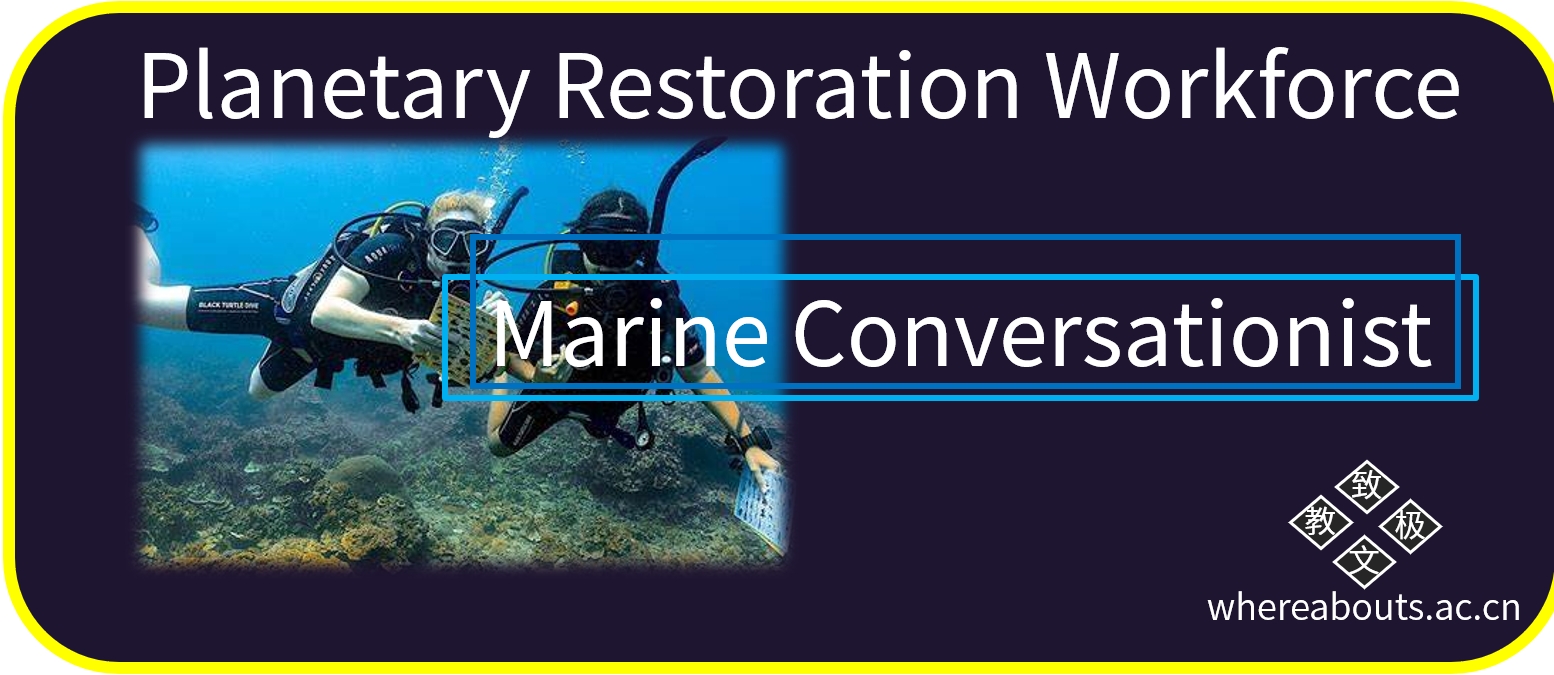
    Planetary Restoration Workforce Job #1:  Marine Conservationist  

    In this installment of the Planetary Restoration Workforces series, Marine Conservationists are in the spotlight. Their work is critical to protecting the oceans and restoring marine ecosystems, which are vital to maintaining global biodiversity and climate stability.

    Introduction (Why It Matters):

    The oceans cover more than 70% of the Earth’s surface and are crucial for regulating the climate, supporting biodiversity, and providing resources for billions of people. However, these ecosystems face significant threats from climate change, overfishing, pollution, and habitat destruction. Marine Biologists are at the forefront of efforts to understand, protect, and restore these critical environments. By studying marine life and ecosystems, Marine Biologists contribute to global sustainability and planetary restoration by working to preserve biodiversity, manage fisheries sustainably, and mitigate the impacts of human activities on ocean health. As the world increasingly looks to the oceans for food, energy, and climate solutions, the role of Marine Biologists becomes ever more critical.

    Career Overview (What They Do):

    Marine Biologists study life in the oceans, from microscopic organisms like plankton to large mammals such as whales. They research marine ecosystems to understand how they function and how human activities affect them. This work can involve laboratory research, field studies, and data analysis. A typical day for a Marine Biologist might include collecting samples from coral reefs, analyzing water quality, or tagging marine animals for migration studies. Their research often informs conservation efforts, helping governments and organizations implement policies to protect marine ecosystems.

    Key Responsibilities:

    • Conducting field research to study marine life and ecosystems.
    • Analyzing samples and data to monitor marine species and their habitats.
    • Collaborating with environmental organizations and policymakers on marine conservation strategies.
    • Developing sustainable fishing practices and monitoring the impact of overfishing.
    • Publishing research to advance scientific understanding of marine environments.

    Example Project: A Marine Biologist might work on a coral reef restoration project, where they assess the health of reefs, transplant healthy coral, and develop strategies to mitigate coral bleaching due to rising ocean temperatures. Another typical project could involve studying the migration patterns of endangered species, like sea turtles or sharks, to inform protective measures.

    Impact on Planetary Restoration (How They Make a Difference):

    Marine Biologists play a vital role in planetary restoration by helping to protect the oceans, which are essential for sustaining life on Earth. Their work directly contributes to several United Nations Sustainable Development Goals (SDGs), particularly SDG 14: Life Below Water. By researching marine biodiversity, Marine Biologists provide the data needed to conserve threatened species, restore damaged ecosystems, and develop sustainable fisheries.

    Case Studies and Success Stories:

    Coral Reef Restoration: Marine Biologists working in the Great Barrier Reef have developed innovative methods for coral restoration, such as coral gardening and assisted evolution techniques, which have helped protect and rejuvenate this critical ecosystem.

    Marine Protected Areas (MPAs): Marine Biologists have been instrumental in establishing MPAs around the world, areas where human activity is restricted to preserve biodiversity. For instance, the expansion of the Papahānaumokuākea Marine National Monument has helped protect numerous endangered marine species.
    Fisheries Management: Marine Biologists collaborate with governments to create sustainable fishing quotas, helping to prevent overfishing and ensure the long-term health of marine populations, such as tuna or cod.

    Challenges and Future Outlook (What’s Ahead):

    Challenges:

    Climate Change: Rising ocean temperatures, acidification, and sea-level rise are major threats to marine ecosystems, particularly coral reefs and polar environments.

    Overfishing:

    Many marine species are endangered due to unsustainable fishing practices, which makes balancing economic needs and conservation a challenge.

    Pollution:

    Marine environments are heavily impacted by plastic pollution, oil spills, and agricultural runoff, all of which are difficult to control and remediate.

    Funding and Resources:

    Many marine conservation projects struggle with limited funding and resources, especially in developing regions.

    Emerging Trends:

    Blue Carbon Ecosystems: Marine Biologists are increasingly involved in research on “blue carbon” ecosystems, such as mangroves and seagrass meadows, which play a key role in carbon sequestration and climate mitigation.

    Technological Innovation: New technologies, such as underwater drones, satellite tracking, and DNA barcoding, are revolutionizing how Marine Biologists study the ocean. These innovations allow for more efficient data collection and broader monitoring of marine environments.

    Sustainable Aquaculture: As the demand for seafood grows, Marine Biologists are working on improving sustainable aquaculture practices to provide food without damaging marine ecosystems.

    Future Outlook:

    The demand for Marine Biologists is expected to grow as global awareness of the importance of the oceans for planetary health increases. Climate change and biodiversity loss will continue to drive the need for research and conservation efforts. As new marine conservation policies are implemented and more countries expand their marine protected areas, opportunities in this field will expand. Marine Biologists will also be key players in blue economy sectors, focusing on sustainable use of ocean resources for economic growth, improved livelihoods, and ocean health.

    Final Thoughts/Call to Action (Why It’s Important):

    Marine Biologists are the guardians of our oceans, working to ensure that future generations can enjoy the benefits of healthy marine ecosystems. Their efforts in research, conservation, and sustainable management are crucial for reversing the damage humans have done to the seas. If you’re passionate about the ocean and its inhabitants, becoming a Marine Biologist could be your way of making a significant impact on planetary restoration. Whether through scientific research or hands-on conservation work, Marine Biologists are crucial to the fight against climate change, biodiversity loss, and ecosystem degradation.

    Call to Action:

    Consider exploring opportunities in marine biology if you have a passion for the environment and a desire to protect the world’s oceans. Whether through pursuing a degree, volunteering for marine conservation projects, or supporting ocean advocacy efforts, there are many ways to get involved in this critical field.

    Field:

    Marine Biology, Oceanography

    Education:

    Bachelor’s to Ph.D. in Marine Science or Oceanography

    Key Tasks:

    • Restore coral reefs
    • Design sustainable fisheries
    • Implement and monitor marine protected areas

    Job Growth:

    Rising demand in coastal regions, NGOs, and research institutes

    Salary Range:

    • Conservation Corp Member: Stipend of $2,814/Month
    • Marine Biologist: 30,000 – $40,000 /year
    • Endangered Species Act (ESA) Specialist (Marine): 35,000 – 50,000/ year
    • Ocean Restoration Scientist: $60,000 and $80,000/year
    • Fish and Wildlife Scientist: $80,000 – 150,000/year
    • Assistant Professor of Biology (Marine): $85,000 – 180,000/year
    • Marine Research Scientist: $145,536/year
    • Director of Marine Research: $202,981/year

    Resources

    • Peer Reviewed Journal Articles: Marine Policy – Focuses on governance, marine environments, and conservation strategies. Conservation Biology (Marine Section) – Leading journal in biodiversity and conservation.
    • “Pristine Seas” project reports. https://earthshotprize.org/wpcontent/uploads/2024/05/The-Earthshot-Prize-Impact-Report-2024.pdf
    • Sylvia Earle’s TED Talks and books, such as The World is Blue. https://greengroundswell.com/the-world-is-blue-book-review/2014/03/27/

    Next career exploration for the Planetary Restoration Workforce: Pollution Control Engineer

    Click to know more about Dr. Mo

  • In Search of Our Planetary Restoration Workforce: 15 Careers Waiting for Heroes

    In Search of Our Planetary Restoration Workforce: 15 Careers Waiting for Heroes

    “The Earth is the only world known so far to harbor life.” ~ Carl Sagan

    One of the most memorable days of my life was the first Earth Day, on April 22, 1970, at Evanston Township High School in Illinois, where I was a 10th grader. In that momentous decade, we witnessed something extraordinary—the first real glimpse of Earth from space. Carl Sagan’s poetic words describing Earth as a “Pale Blue Dot” reverberated in our minds, reinforcing the idea that this fragile planet, our home, was both unique and in peril. We, as teens, understood that our planet was in trouble and embraced the call from scientists to reduce our environmental impact.

    Today, more than 50 years since the first alarms were heard, the urgency to protect our planet has only intensified. The impacts of climate change, pollution, and habitat destruction are impossible to ignore. This is no longer just a scientific or political issue—it’s a challenge that demands a workforce dedicated to planetary restoration. That’s why I’m introducing you to the 15 essential careers that are at the forefront of this mission. Whether you’re considering a career change or know someone passionate about protecting our environment, these roles offer exciting opportunities to make a real impact.

    The essential careers span a range of ecological disciplines including careers like Marine Conservationist, Pollution Control Engineer, Urban Ecologist, Planetary Health Specialist, Climate Resilience Specialist, Ecological Restoration Specialist, Environmental Impact Assessor, Sustainable Energy Engineer, Conservation Biologist, Environmental Policy Analyst, Renewable Resource Manager, Environmental Data Scientist, and Sustainable Fisheries Manager. Together, these professional occupations form what we can call the Planetary Restoration Workforce—a dedicated group of individuals committed to healing and preserving the Earth now and for future generations.

    Why is a Planetary Restoration Workforce important?

    This workforce is not just about saving the environment—it’s about shaping the future of work on a planetary scale. A dream shared by billions, the workforce involves international cooperation, space science, and cutting-edge technologies. Together, we can restore the Earth to a healthier state.

    Who can be part of this planetary restoration effort?

    Anyone passionate about the planet can contribute! From marine biologists to clean energy engineers, there are endless ways to get involved. Over the next few articles, we’ll explore jobs from a variety of fields, but today we’re starting with the ocean, inspired by that iconic Pale Blue Dot image.

    The planet is under constant monitoring from space today, and we know exactly what elements harm life in the oceans, seas, and on land. Teens today, like those in the 1970s, have the potential to act.

    Are you ready to dive into the challenge of planetary restoration? Stay tuned for the next job in this series, and remember, the future of our Earth rests in the hands of those willing to restore it.

    Let’s begin with the “Pale Blue Dot” occupations Marine Conservationists dedicated to restoring Earth’s oceans.

    RESOURCES:  

    • Dr. E.O. Wilson – Known as the “father of ecology,” Dr. Wilson’s Half-Earth Project focuses on educating young professionals about biodiversity and ecosystem restoration, inspiring careers in planetary restoration.
    • Dr. Katharine Hayhoe – Climate scientist and educator, Dr. Hayhoe’s work in climate communication and resilience at Texas Tech University inspires students to pursue careers in climate and planetary health.
    • Dr. David Orr – Pioneered sustainability education at Oberlin College, emphasizing the importance of career education in planetary restoration through initiatives like the Oberlin Project.

    Click to know more about Dr. Mo